What is İekşi?
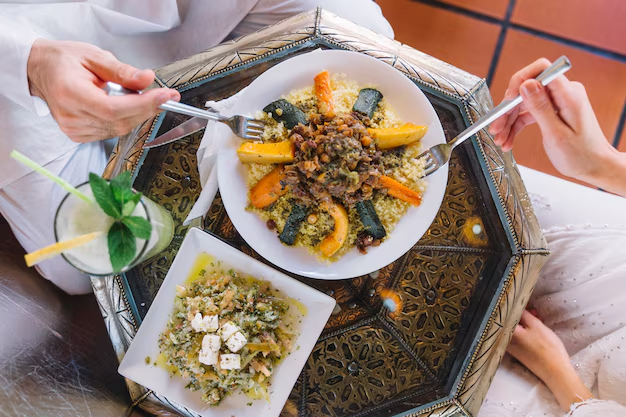
İekşi translates to “sour” or “tangy” in Turkish, referring to flavors that awaken the palate and add complexity to dishes. This characteristic is often derived from ingredients like fermented foods, citrus fruits, and specific types of vinegar. İekşi plays a crucial role in balancing flavors, particularly in a cuisine that is rich and diverse.
The Role of İekşi in Turkish Cuisine
In Turkish cooking, achieving balance is essential. Dishes often incorporate a combination of sweet, salty, and sour elements to create a harmonious flavor profile. İekşi serves as a counterpoint to the richness of meats, the sweetness of vegetables, and the heartiness of grains.
Common Ingredients Contributing to İekşi
- Yogurt: A staple in Turkish cuisine, yogurt brings a creamy texture and a tangy flavor. It is used in dips, sauces, and marinades, adding depth to many dishes.
- Lemon and Lime: Citrus fruits are integral to Turkish cooking. Their acidity brightens flavors and enhances the freshness of salads and grilled meats.
- Vinegar: Various types of vinegar, especially apple and grape vinegar, are used in marinades and pickles. They add a sharpness that complements richer ingredients.
- Fermented Foods: Foods like pickles and fermented vegetables contribute to the iekşi flavor profile. They offer a delightful crunch and tanginess that elevates the overall dish.
- Tamarind: Though less common, tamarind is sometimes used to impart a unique sour flavor, especially in regional dishes.
Iconic Dishes Featuring İekşi
1. Cacık
Cacık is a refreshing yogurt-based dish, often considered the Turkish equivalent of tzatziki. Made with strained yogurt, cucumber, garlic, and fresh herbs, it’s drizzled with olive oil and often served chilled. The yogurt’s tanginess embodies iekşi, making it a perfect accompaniment to grilled meats and spicy dishes.
2. Şakşuka
This vibrant dish features fried eggplant, zucchini, and peppers, all bathed in a tangy tomato sauce. The acidity of the tomatoes adds a distinct iekşi flavor, balancing the richness of the fried vegetables. Şakşuka is often served as a mezze or a side dish.
3. Limonlu Tavuk (Lemon Chicken)
Lemon chicken is a beloved Turkish dish where marinated chicken is roasted or grilled with a generous amount of lemon juice and herbs. The iekşi flavor from the lemons cuts through the meat’s richness, making every bite refreshing and satisfying.
4. Dolma
Dolmas are stuffed grape leaves filled with rice, herbs, and sometimes minced meat. Often served with a drizzle of lemon juice, the sour notes enhance the dish, creating a delightful contrast to the savory filling.
5. Pickled Vegetables
Turkish cuisine features a variety of pickled vegetables, known as “turşu.” These pickles, often made from cucumbers, carrots, and cabbage, provide a sharp iekşi flavor that complements the richness of main dishes, making them an essential part of the meal.
The Cultural Significance of İekşi
Beyond its culinary applications, iekşi carries cultural significance in Turkey. The flavors of sourness often evoke memories and traditions, linking people to their heritage. Many Turkish families have their own recipes for pickling or preparing yogurt, passed down through generations.
İekşi in Regional Varieties
Turkish cuisine is incredibly diverse, and the expression of iekşi can vary widely across different regions:
- Aegean Region: Known for its use of fresh herbs and citrus, dishes often incorporate lemon and yogurt, highlighting the iekşi flavor profile.
- Southeast Anatolia: This region features more spicy and tangy dishes, where iekşi might come from pomegranate molasses or tamarind, adding a unique twist to traditional flavors.
- Black Sea Region: Fermented foods play a significant role here, with dishes like “muhlama” (cheesy cornmeal) being balanced with sour yogurt.
Cooking with İekşi: Tips and Techniques
Incorporating iekşi into your cooking can elevate your dishes and enhance flavors. Here are some tips to help you master the art of sourness in your meals:
1. Balance is Key
When using iekşi elements, remember to balance them with sweetness, saltiness, and umami. A touch of sugar or honey can mellow out the sourness when needed.
2. Experiment with Acidic Ingredients
Don’t hesitate to experiment with different acidic ingredients. Try various vinegars, citrus juices, or even tamarind to find the right balance for your palate.
3. Use Fresh Herbs
Fresh herbs can complement and enhance iekşi flavors. Ingredients like parsley, mint, and dill work beautifully with tangy elements, adding freshness to your dishes.
4. Marinate with Care
When marinating proteins, include yogurt or citrus juices to impart flavor and tenderness. The acid in these ingredients helps break down proteins, resulting in a more flavorful dish.
5. Garnish for Flavor
A squeeze of lemon or a drizzle of vinegar right before serving can brighten up your dish and enhance the iekşi profile, making it more vibrant.
İekşi and Health Benefits
The incorporation of iekşi elements in meals can also have health benefits:
- Probiotics: Fermented foods like yogurt and pickles provide beneficial bacteria that support gut health.
- Vitamins and Antioxidants: Ingredients used in iekşi preparations, such as citrus and pickled vegetables, are rich in vitamins and antioxidants that contribute to overall well-being.
- Flavor without Calories: Using sour elements can enhance flavor without adding significant calories, making meals more satisfying and flavorful.
FAQs for İekşi
1. What does iekşi mean?
İekşi translates to “sour” or “tangy” in Turkish and refers to flavors that add acidity to dishes, enhancing their overall taste.
2. What are some common ingredients that contribute to iekşi?
Common ingredients include yogurt, citrus fruits (like lemon and lime), various types of vinegar, and fermented foods such as pickles.
3. How is iekşi used in Turkish cuisine?
İekşi is used to balance flavors in dishes, providing a counterpoint to richness and sweetness. It appears in dips, marinades, sauces, and main courses.
4. Can you give examples of dishes that feature iekşi?
Sure! Some popular dishes include cacık (yogurt dip), şakşuka (fried vegetable dish with tomato sauce), limonlu tavuk (lemon chicken), and various pickled vegetables (turşu).
5. How does iekşi enhance the flavor of a dish?
The acidity from iekşi ingredients brightens flavors, cuts through richness, and adds complexity, making dishes more vibrant and enjoyable.
6. Is iekşi beneficial for health?
Yes! Ingredients that provide iekşi flavors, like yogurt and pickled vegetables, can offer health benefits such as probiotics, vitamins, and antioxidants.
7. How can I incorporate iekşi into my cooking?
You can add yogurt to sauces, use lemon or vinegar in marinades, and include pickles as sides to create a balance of flavors in your meals.
8. Are there regional variations in how iekşi is used in Turkish cuisine?
Absolutely! Different regions in Turkey use iekşi flavors in unique ways, such as using pomegranate molasses in Southeastern dishes or fresh herbs in the Aegean region.
9. Can iekşi flavors be found in non-Turkish cuisines?
Yes, many cuisines around the world incorporate sour flavors, using similar ingredients like yogurt, citrus, and vinegar to achieve balance and enhance dishes.
10. What are some tips for achieving the right balance of iekşi in my dishes?
Start by experimenting with small amounts of acidic ingredients, taste as you go, and balance with sweetness or salt to create a harmonious flavor profile.
Conclusion
İekşi is more than just a flavor; it’s an essential component of Turkish culinary heritage. By understanding and appreciating the role of sourness in dishes, you can deepen your connection to Turkish cuisine and enhance your cooking skills. Whether you’re enjoying a refreshing cacık or savoring the tangy notes in a lemon chicken dish, the influence of iekşi is unmistakable. Embrace this unique flavor in your cooking, and discover the delightful complexities it brings to your meals.
]]>